
Safety Warning Signs I See Too Often in Winter
Winter is one of the most dangerous times of year for electrical issues. We see more fires, more overloaded systems, and more situations that could have been avoided with timely action.
Cold weather drives higher electrical demand, increased use of space heaters and lighting, and greater stress on systems that may already be outdated or overloaded. I’ve seen firsthand how quickly small electrical problems turn into major safety hazards.
Here are the electrical issues I believe homeowners should never ignore.
Why Winter Increases Electrical Fire Risks
During winter, we commonly see:
- Overloaded outlets and circuits
- Space heaters plugged into undersized or damaged outlets
- Faulty breakers tripping repeatedly
- Smoke detectors that don’t work when they’re needed most
Add in storms, power outages, and generator use, and the risk increases quickly.
Electrical Issues That Concern Me Most in Homes
Some problems immediately raise red flags when we see them:
Overloaded Circuits and Outlets
When circuits are overloaded, wiring behind walls overheats. Space heaters are especially dangerous if plugged into outlets not rated for their load.
Repeatedly Tripping Breakers
Breakers usually trip for a reason, and that’s because they’re protecting your home. Resetting them repeatedly without investigating the cause is a serious mistake.
Non-Functioning Smoke Detectors
A home without working smoke detectors is vulnerable, especially during winter when electrical loads are highest.
Warning Signs That Signal Immediate Danger
If you notice any of the following, don’t wait:
- Smell of burning plastic or rubber
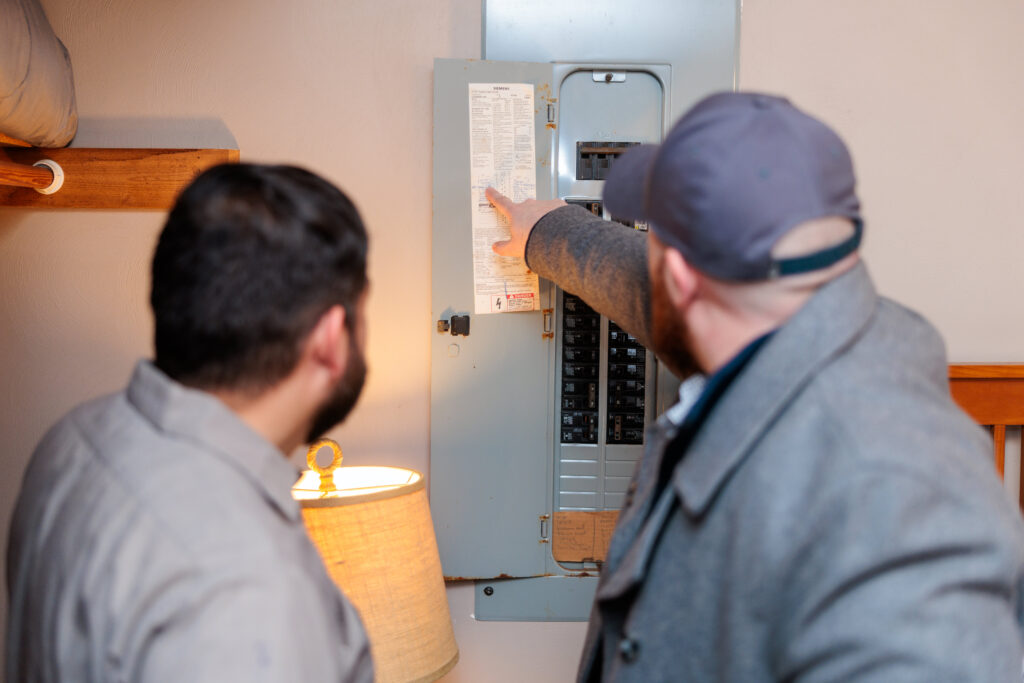
- Dark or black scorch marks around outlets or switches
- Flickering, buzzing, or dimming lights
- Visible sparks when plugging something in
- Water dripping from or around an electrical panel
Water and electricity should never mix. If you see moisture near electrical equipment, that’s an immediate safety concern.
Sounds and Smells You Should Never Ignore
Intermittent burning smells are especially dangerous. They can indicate:
- Live wires making intermittent contact
- Damaged insulation heating up
- Failing connections inside walls
Even if the smell goes away, the problem usually hasn’t.
Generator Use During Power Outages: A Major Risk Area
Improper use of a generator is one of the most dangerous mistakes homeowners make during outages.
Incorrect connections can cause:
- Back-feeding power onto the utility lines
- Serious risk to utility workers
- Damage to your electrical system
Generators should be installed and connected correctly, as taking shortcuts in this process can be extremely dangerous.
How Winter Weather Damages Electrical Systems
Snow and ice don’t just affect roofs and gutters. Over time, they can:
- Deteriorate exterior power cables
- Allow melting water to enter meter bases or panels
- Create corrosion inside service equipment
Once water enters an electrical panel, the risk level rises dramatically.
The Safest First Step If You Suspect an Electrical Problem
If there’s an active fire, call 911 immediately.
If you smell burning, see charring, or notice electrical issues:
- Do not keep resetting breakers
- Do not assume the problem fixed itself
- Call a professional right away
Breakers trip for safety reasons. Ignoring them removes that layer of protection.
One Often-Missed Electrical Component: Attic Fans
Attic fans often go unnoticed when they fail. But when they’re not operating correctly, heat buildup can stress wiring and fixtures.
I recommend checking attic fans in the Fall and the Spring, as catching failures early prevents bigger problems later.
Final Thoughts on Electrical Safety
Electrical problems rarely fix themselves. What starts as a nuisance can become a safety hazard if ignored.
If you notice warning signs, such as unusual smells, sparks, or water near electrical components, please take them seriously. Your home’s electrical system is not an area where guessing pays off.
