


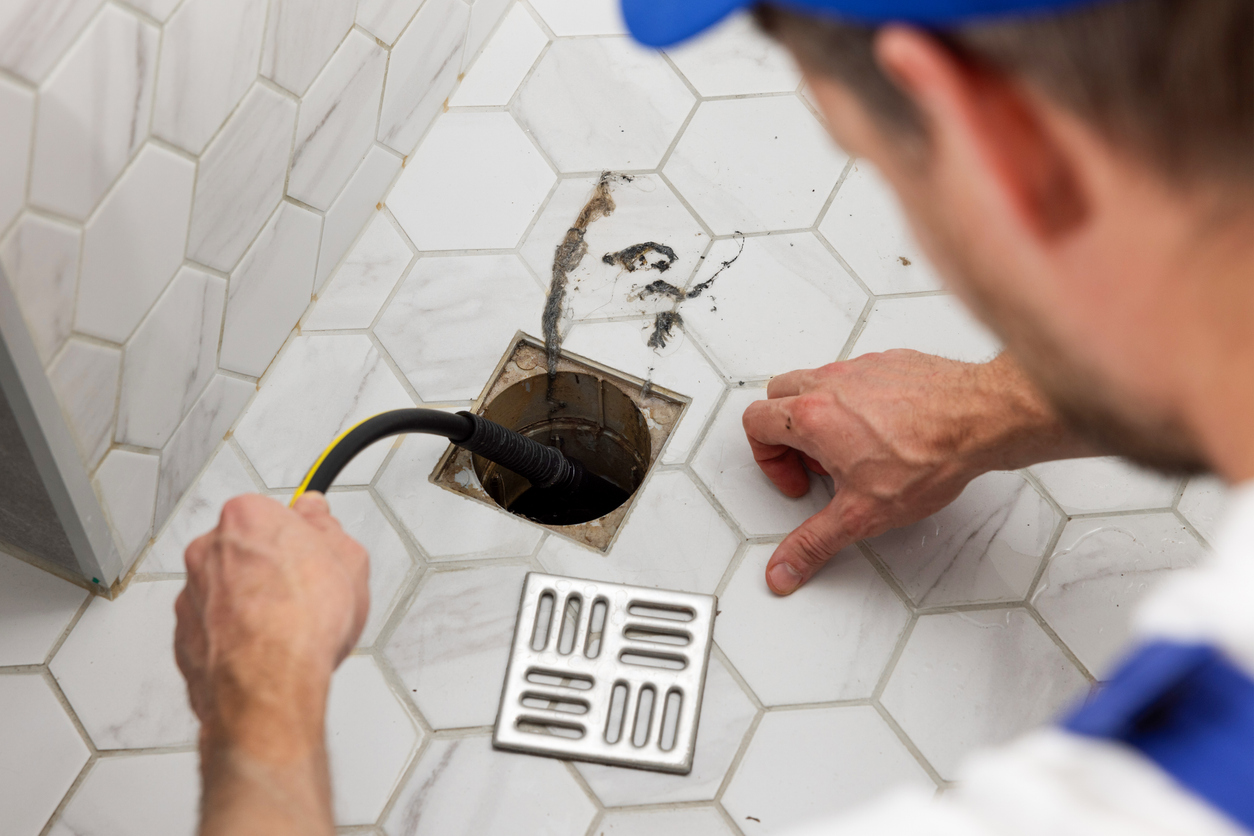
A slow drain rarely stays a “small” problem for long. What starts as water lingering in the sink after you brush your teeth can turn into a backed-up shower, a gurgling toilet, or worse — a sewer line problem you can’t ignore. The good news? Most drain issues give you plenty of warning before they become emergencies, if you know what to look for.
Here’s what our Roanoke-area plumbing team wants every homeowner to know about spotting drain trouble early, the difference between hydro jetting and snaking, and when it’s time to put down the plunger and call in a professional.
Signs Your Drains Are Heading for Trouble
Drains don’t clog overnight. Grease, soap scum, hair, food particles, and mineral buildup collect gradually along the inside of your pipes until water can barely get through. Watch for these early warning signs:
Slow-draining sinks, tubs, or showers. If water pools around your feet in the shower or takes longer than usual to disappear from the sink, that’s usually the first sign of a partial clog forming somewhere in the line.
Gurgling sounds. A gurgling noise coming from your drain, or even from a different drain when you run water elsewhere, means air is trapped in the pipes — a classic symptom of a blockage.
Unpleasant odors. Sewage or rotten-egg smells coming from your drains often point to trapped debris, a dry P-trap, or a developing clog that’s letting sewer gases escape into your home.
Frequent clogs in the same spot. If you’re plunging the same toilet or unclogging the same sink every few weeks, the problem is likely deeper in the pipe than a plunger or store-bought drain cleaner can reach.
Water backing up in unexpected places. If running the washing machine causes water to bubble up in a nearby shower or floor drain, that’s a strong sign of a clog further down your main line — and it needs attention fast.
Multiple slow drains at once. One slow drain is usually a local clog. Several slow drains throughout the house at the same time often points to a blockage in your main sewer line, which affects your entire plumbing system.
If you’re noticing any combination of these signs, it’s worth having your drains inspected before a slow drain turns into a backed-up pipe or a plumbing emergency.
Hydro Jetting vs. Snaking: What’s the Difference?
When it comes to professional drain cleaning, there are two main methods plumbers use — and knowing the difference can help you understand what your technician recommends and why.
Drain Snaking
A drain snake (also called a cable auger) is a flexible metal cable that’s fed into the pipe to physically break up and pull out the clog. It’s a tried-and-true method that works well for:
- Localized clogs, like hair in a shower drain or a small object stuck in a toilet
- Softer blockages that can be broken apart or hooked and removed
- Quick fixes for a single fixture
Snaking is fast and effective for everyday clogs, but it primarily punches a hole through the blockage rather than fully clearing the pipe walls. That means buildup can still be lining the sides of the pipe, setting the stage for another clog down the road.
Hydro Jetting
Hydro jetting uses a specialized hose to blast high-pressure water — often reaching several thousand PSI — through the pipe. Instead of just breaking through the clog, it scours the entire interior of the pipe, removing grease, scale, roots, and years of built-up debris from the pipe walls.
Hydro jetting is typically recommended for:
- Recurring clogs that keep coming back after snaking
- Grease buildup, especially in kitchen lines
- Tree root intrusion in sewer lines
- Older homes with pipes that haven’t been professionally cleaned in years
- A more thorough, longer-lasting clean
The trade-off is that hydro jetting requires professional equipment and expertise, so it’s not a DIY option — and it’s not always the right call for older or fragile pipes, which is why a professional inspection (often with a camera) usually comes first.
Wisler technicians evaluate the type and location of the clog, the age and condition of your pipes, and how often the problem recurs before recommending snaking, hydro jetting, or both.
DIY vs. Professional Drain Cleaning: What’s Safe to Try Yourself
Not every clog requires a service call — but knowing where the line is can save you time, money, and a bigger repair bill later.
When DIY Is Reasonable
- A plunger is often enough for a simple toilet clog or a slow sink.
- A drain stick or plastic zip-it tool can pull out hair and debris from a shower or tub drain.
- A mixture of baking soda and hot water, flushed down the drain regularly, can help slow the buildup of soap scum and light grease.
- A hand-crank drain auger (a small, homeowner-grade version of a plumber’s snake) can clear minor clogs in an accessible pipe.
When to Skip the DIY Route
- Avoid chemical drain cleaners. They can corrode older pipes, are harsh on septic systems, and often just push the clog further down the line instead of clearing it — leaving you with a bigger problem and a more dangerous cleanup.
- If a clog keeps coming back, that’s a sign of a deeper issue that home remedies won’t solve.
- If multiple drains are backing up at once, this usually points to a main line or sewer issue that requires professional equipment (and sometimes a camera inspection) to diagnose safely.
- If you smell sewage, hear gurgling in other fixtures, or see water backing up from a floor drain, stop troubleshooting and call a plumber. These are signs of a problem beyond a single clogged pipe.
- If your home has older piping, cast iron, clay, or galvanized pipes can be more fragile, and using the wrong tool or chemical can cause real damage.
A good rule of thumb: if you’ve tried a plunger or a basic auger once or twice and the problem isn’t fully resolved, it’s time to bring in a professional rather than reaching for stronger chemicals or repeating the same fix.
Why Regular Drain Maintenance Matters
Most drain emergencies are preventable. Grease, mineral deposits, and debris build up slowly over months or years, and a little routine maintenance goes a long way toward avoiding a middle-of-the-night backup.
A few habits that help:
- Run hot water down kitchen and bathroom drains weekly to help flush out light buildup.
- Use drain covers to catch hair and food particles before they enter the pipe.
- Avoid pouring grease, oil, or coffee grounds down the kitchen sink.
- Schedule a professional drain inspection or cleaning every year or two, especially in older homes.
Homeowners on our Diamond Club Membership get regular plumbing checkups built in, so small issues like slow-building clogs get caught before they turn into backups, water damage, or an emergency call.
When to Call Wisler for Drain Cleaning
If your drains are slow, gurgling, smelly, or clogging again and again, it’s time for a professional look. Our licensed Roanoke-area plumbers will inspect your pipes and drainage system, identify the real cause of the clog, and recommend the right fix — whether that’s snaking, hydro jetting, or a closer look at your sewer line. You’ll always know the price upfront, with no surprises and no pressure.
Dealing with a stubborn or recurring drain clog? Schedule your drain cleaning service with Wisler today and let our team get your pipes flowing freely again.
Drain Cleaning FAQ
How often should I have my drains professionally cleaned? Most homes benefit from a professional drain cleaning or inspection every 1–2 years, though homes with older pipes, frequent clogs, or heavy kitchen use may need it more often.
Is hydro jetting safe for all pipes? Hydro jetting is safe for most modern pipes, but older, fragile, or already-damaged pipes may need a camera inspection first to confirm they can handle the water pressure.
Can I use chemical drain cleaners instead of calling a plumber? It’s best to avoid chemical drain cleaners. They can corrode pipes over time, are harmful to septic systems, and often mask a deeper clog rather than resolving it.
How do I know if my clog is in one drain or my main sewer line? If only one fixture is slow or clogged, it’s usually a local issue. If multiple drains are backing up at the same time, or you see water coming up in a floor drain, it likely points to a main sewer line clog that needs professional attention.
